Laboratory testing forms the scientific backbone of geotechnical engineering in El Paso, providing the essential data that transforms field observations into reliable design parameters. This category encompasses the physical and mechanical evaluation of soil, rock, and aggregate materials to determine their engineering properties and behavior under various loading and environmental conditions. In a region where subsurface conditions can shift dramatically within a single project site, laboratory analysis moves beyond visual classification to deliver quantifiable values for strength, compressibility, permeability, and durability. These parameters directly influence foundation design, slope stability calculations, earthwork specifications, and pavement performance predictions, making the laboratory an indispensable component of responsible construction practice throughout the Borderland.
El Paso's unique geological setting demands particularly rigorous laboratory investigation. The city straddles the boundary between the Basin and Range Province and the southern Rio Grande Rift, resulting in complex stratigraphy that includes ancient alluvial fan deposits from the Franklin Mountains, fluvial sediments from the ancestral Rio Grande, and extensive wind-blown loess and sand sheets. These Quaternary deposits exhibit significant variability in particle size distribution, from clean gravels and sands near the mountain fronts to expansive clay-rich silts in the valley floors. Laboratory testing becomes critical here because many of these soils display properties that cannot be reliably predicted from field identification alone, such as collapse potential in silty sands, shrink-swell behavior in clay layers, or salt dissolution effects in gypsiferous horizons common to the region's arid environment.
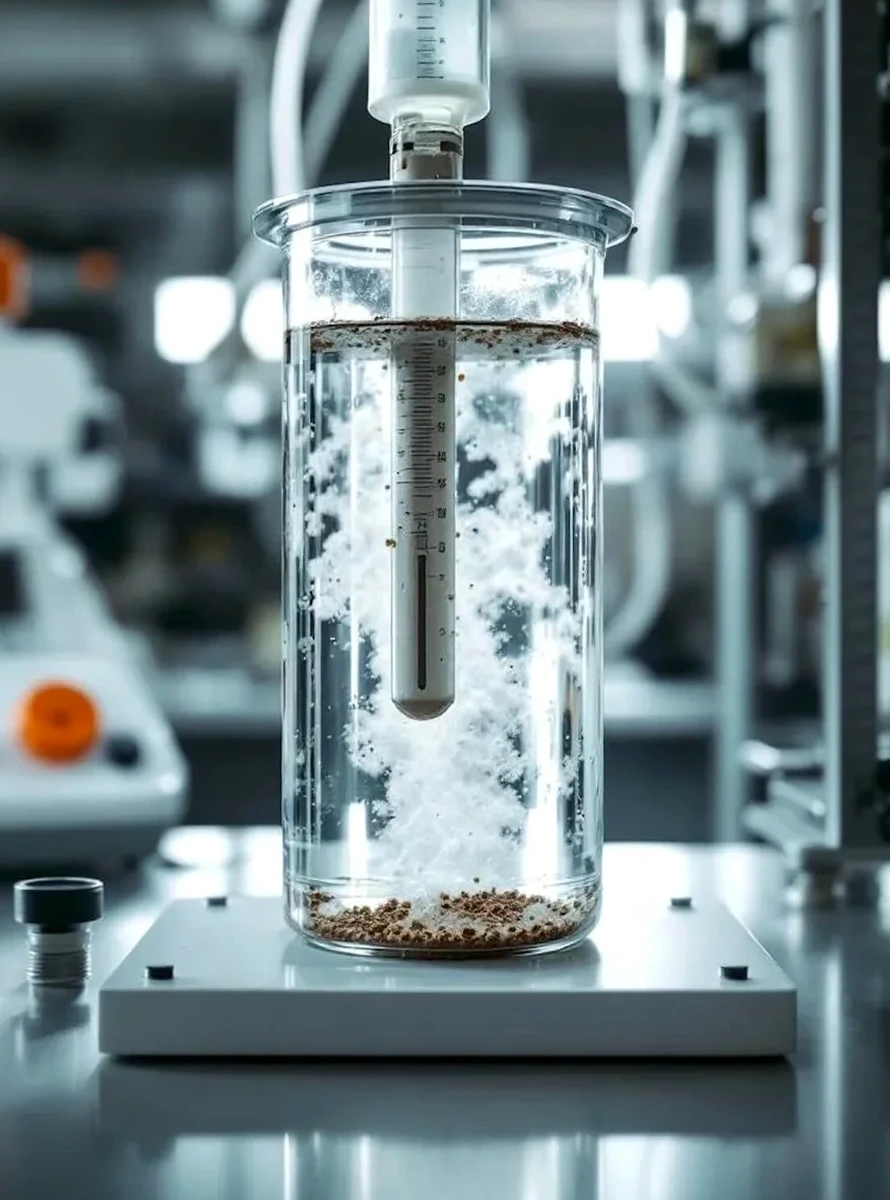
Testing protocols in El Paso laboratories follow standards established by ASTM International and are typically specified in accordance with the International Building Code as adopted by the City of El Paso, along with Texas Department of Transportation guidelines for public infrastructure projects. Key methods include grain size analysis (sieve + hydrometer) per ASTM D422 and D6913, which quantifies the distribution of particle sizes from gravel to clay fractions and is fundamental for classifying soils under the Unified Soil Classification System. Equally important are Atterberg limits testing following ASTM D4318, which determines the liquid limit and plastic limit of fine-grained soils to assess their plasticity characteristics and potential for volume change. These index properties serve as the foundation for more advanced engineering tests and are routinely required by local building officials for foundation permit applications in areas with known expansive soil hazards.
The types of projects that depend on laboratory testing span the full spectrum of construction in El Paso. Residential developments in areas like the growing Eastlake and Horizon City corridors require soil characterization to design slab-on-grade foundations resistant to expansive clay movements. Commercial and institutional buildings, from medical facilities near the Medical Center of the Americas to new schools in the Socorro and Ysleta districts, rely on laboratory-derived strength parameters for deep foundation design where near-surface soils prove inadequate. Transportation infrastructure, including I-10 expansion projects and international bridge crossings, demands comprehensive aggregate testing for base course materials and asphalt concrete mix designs. Even smaller-scale projects such as retaining walls, swimming pools, and utility trenches benefit from laboratory analysis to verify compaction requirements and assess soil corrosivity potential, which is particularly relevant in El Paso's saline groundwater environments.
Quick answers
What types of laboratory tests are typically required for a residential foundation permit in El Paso?
The City of El Paso building department generally requires soil classification testing including grain size analysis and Atterberg limits to evaluate expansive potential, along with moisture content and dry density determinations. Depending on site conditions, additional tests such as unconfined compressive strength for bearing capacity verification or chemical testing for sulfate exposure may be specified. A geotechnical engineer determines the exact testing program based on the proposed foundation type and site geology.
How long does standard geotechnical laboratory testing take for a typical project?
Basic index property tests such as grain size analysis and Atterberg limits can be completed within three to five business days after sample receipt. More advanced testing like consolidation, direct shear, or triaxial compression requires longer timeframes of one to three weeks due to specimen preparation and staged loading procedures. Expedited turnaround is often available for time-sensitive projects, and the laboratory should be consulted during project planning to establish realistic schedules.
What quality control measures should a geotechnical laboratory have in place?
A qualified laboratory should maintain accreditation through programs such as AASHTO re:source or the U.S. Army Corps of Engineers validation program, participate in proficiency sample testing, and follow ASTM standard practices for laboratory quality systems. Internal procedures should include equipment calibration schedules, technician training documentation, and regular use of control samples. For El Paso projects involving TxDOT funding, the laboratory must be prequalified by the department's Materials and Tests Division.
Why is laboratory testing necessary when field tests can provide immediate results?
Field tests such as standard penetration tests or cone penetration tests provide valuable continuous profiles and in-situ conditions, but they cannot directly measure fundamental engineering properties like plasticity, gradation, shear strength parameters, or consolidation characteristics. Laboratory testing on undisturbed or representative samples provides the controlled environment needed for precise parameter determination, and the combination of field and laboratory data yields the most reliable geotechnical characterization for design purposes.